
In brief: After summer, skin may feel drier, rougher or more congested, while freckles and pigmentation can become more noticeable. A consistent skincare routine may be enough for mild dehydration or temporary congestion. Pigmentation should be assessed before treatment, and laser or IPL will usually need to wait until any tan has fully faded and your clinician confirms that treatment is appropriate.
Skin can change noticeably over the summer, although the signs are often subtle. Your foundation may sit differently, a new patch of pigmentation might appear, or your complexion may look more tired than you feel.
None of this necessarily means there is a problem to fix. September skin is often simply responding to several weeks of sun exposure, salt water, chlorine, air conditioning and later nights.
Understanding what has changed is still useful. The right response may be a targeted treatment, a small adjustment to your skincare routine, or no action at all. Knowing the difference can save both money and disappointment.
Here are questions we are often asked at this time of year, with explanations and what we would usually recommend.
Five questions about post summer skin
Why does foundation sit differently after summer?
What you're seeing. Make-up that clings, separates, or sinks into areas it used to sit over smoothly. Often it's the first thing anyone notices, and it usually gets blamed on the foundation.
What's causing it. It isn't the foundation. Sunscreen, sweat and sea water gradually strip the lipids that hold the outermost layer of skin together. That layer becomes both drier and rougher, so make-up has an uneven surface to sit on and very little to grip. It reads as a cosmetics problem; it's a skin barrier problem.
What's worth doing. Two things need addressing together - rehydration and gentle resurfacing. Doing one without the other tends to disappoint. The Hydrafacial handles both in a single session and there's no downtime afterwards.
Or do nothing. Barrier function does rebuild on its own, generally over four to six weeks, provided you're consistent with a moisturiser containing ceramides or hyaluronic acid. If you'd rather wait it out, that's a legitimate choice and it usually works.
Why does my skin feel rough or congested after wearing SPF?
What you're seeing. Small bumps or a general roughness across the cheeks, forehead or jawline. You feel it before you see it.
What's causing it. This is often caused by congestion, although persistent or inflamed texture can have other causes. Six weeks of heavier SPF, more sweat and far more frequent reapplication traps debris in the follicle. There's a tell: it usually appears exactly where you applied sunscreen most often and most heavily.
What's worth doing. Deep cleansing and exfoliation, which is straightforward and works well. The Preime Clarity is designed for precisely this - most people see a difference after one session, though a short course does more if the congestion has been building since June.
Or do nothing. It often settles by itself once you're back to a normal routine and a lighter daily SPF. Give it until mid-October. If it hasn't shifted by then, it's worth having someone look at it, because persistent texture sometimes has a different cause.
Why does my skin feel tight or look flat by mid-afternoon
What you're seeing. Fine first thing in the morning, tired and slightly tight by three o'clock. Moisturiser helps briefly and then doesn't.
What's causing it. Transepidermal water loss which is moisture escaping through a compromised barrier faster than skin can replace it. Air conditioning accelerates it considerably, and flights are the worst offender of all. If you flew twice this summer, this is very likely you.
What's worth doing. Honestly, this is the one where what you do at home usually matters more than what we do in clinic. A hydrating serum layered under your moisturiser, morning and night, changes this for most people within a few weeks. An exosome or polynucleotide -focused treatment will accelerate it and feels lovely, but we'd rather tell you the cheap answer first.
Or do nothing beyond the routine. Entirely viable. Add the serum, reassess in a month.
Why does pigmentation become more noticeable after summer?
What you're seeing. Freckles that used to be distinct have run together into larger areas, typically across the cheekbones or above the upper lip. They're not fading the way they did in previous autumns.
What's causing it. Cumulative UV exposure prompting the pigment-producing cells in your skin to work in clusters rather than evenly. This is the single most common thing we're asked about in autumn and the one most likely to be treated badly elsewhere.
What's worth doing. This one needs a proper look before anyone recommends anything. Different kinds of uneven pigmentation respond to completely different approaches, and the wrong treatment can make the appearance worse rather than better.
One important caveat: if you have any tan at all, light-based treatment isn't appropriate yet. Here's why. The sensible sequence is a consultation now and treatment planned for late September, once your tan has genuinely gone.
Or do nothing. Rigorous daily SPF will stop it getting worse - a great deal of pigmentation we see is avoidable, and prevention outperforms every treatment available.
Why do I look more tired in photos than I feel?
What you're seeing. Photographs that don't match how rested you are, including on the days you've genuinely slept.
What's causing it. Usually two separate things at once, which is why it's confusing. Part of it is surface - dullness and dehydration change how light reflects off skin, and that shows up far more in a photograph than in a mirror. Part of it is structure, which changes slowly over years rather than over a summer. And part of it, frankly, is the camera: phone lenses at close range distort proportions in ways that flatter almost nobody.
What's worth doing. The useful step is separating the surface question from the structural one, because they have completely different answers. A consultation is the only honest way to do that. One of our clinicians will tell you what would help, what wouldn't.
Or do nothing. Frequently the right call, and we say so more often than you'd expect. We turn people away from treatment regularly. It's rarely what anyone anticipates from a clinic, but recommending something unnecessary is a quick way to lose a patient permanently.
None of the above
Then your barrier has come through the summer intact, which usually means you were disciplined about SPF and moisturiser when it was inconvenient to be. That's the whole game, and it's worth saying so.
Two things to keep in mind. Pigmentation from this summer can surface as late as November, so a clear August isn't quite the final word. And autumn is when most people's routines quietly lapse: the mornings get darker, the steps get skipped, and by January the barrier is in worse shape than it was in August.
Nothing to book. Carry on.
How long after a tan can I have laser or IPL?
Worth understanding whichever section brought you here, because it affects the timing of anything light-based.
Laser and IPL work by targeting pigment in the skin and delivering energy to it. A tan is pigment - a faint one, a fading one, and the one you're fairly sure doesn't count. Treat over it and a significant share of the energy goes somewhere it isn't wanted.
- The mild outcome: energy absorbed by the tan rather than the target, so you pay for a treatment that doesn't do much.
- The serious outcome: burns, or patches of darkened skin, post-inflammatory hyperpigmentation, which can take many months to settle and occasionally doesn't fully resolve.
So we wait. Usually around four weeks after your last real sun exposure, sometimes longer depending on your skin and how much sun you actually had. If you attend an appointment with a tan, we wont treat - so it's better said now than at the door.
This is also why the Preime DermaFacial and Hydrafacial are good options post summer holidays. They don't rely on light energy, are safe on tanned skin, and address most of what a summer actually does if you wore your SPF!
What to do next
If something above described your skin, the two routes are straightforward. Surface concerns, the first three sections, are usually a Preime DermaFacial or Hydrafacial treatment. Pigmentation and anything structural are a consultation first, because the answer genuinely depends on what we see.
And if you recognised yourself in the last section, then you must already be following a good skincare routine - keep it up.
To understand more about your skin → Book a Skin Analysis
Author experience
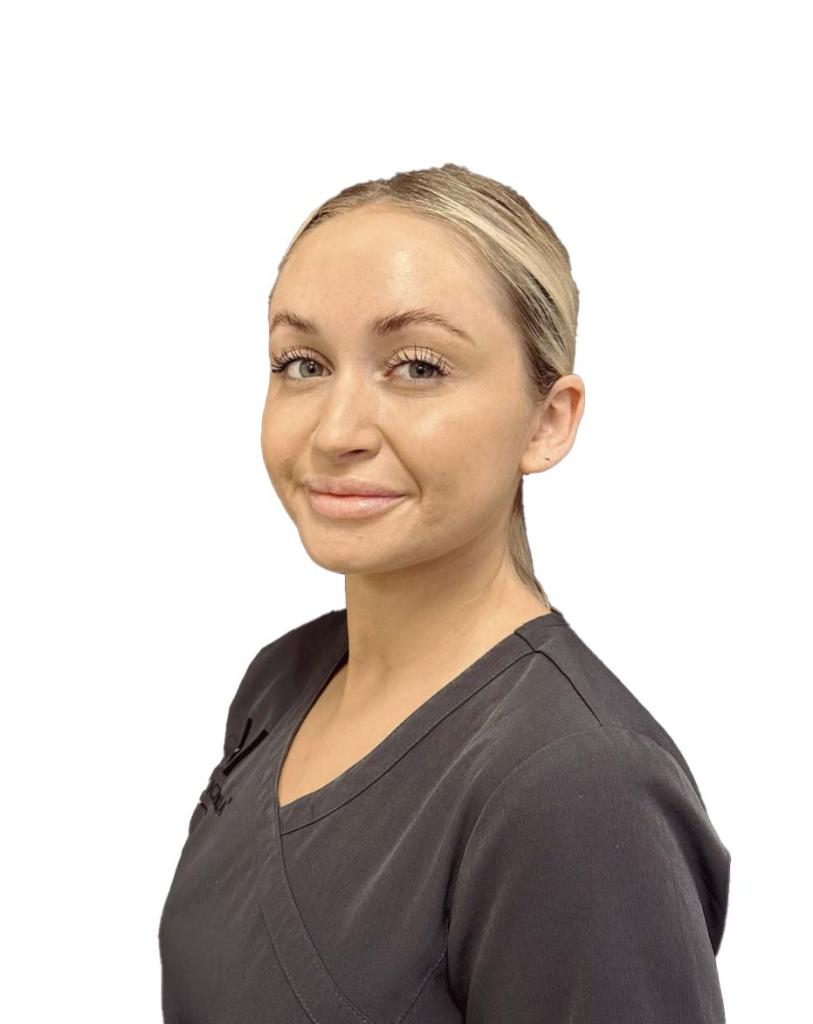
Rachael is an Aesthetician trained in advanced skincare with extensive experience in delivering Observ520X Skin Analysis, Hydrafacial® and Préime DermaFacial® services.