
We’re delighted to share that the DRVICTORIA™ Clinic's most recent Healthcare Improvement Scotland inspection awarded “Exceptional” for the key question: “How well has the service demonstrated that it provides safe, person-centred care?”
This is independent assurance that we get the everyday basics right: how we assess you, how we document your care, how we maintain clinical standards, and how safe (and listened-to) you feel throughout your journey.
The inspection report highlighted the things that should matter most to any patient considering aesthetic treatment: a clean, well-maintained clinical environment and equipment; thorough, person-centred patient care records; robust recruitment and safety checks; and very high patient satisfaction with care and treatment.
Why choosing an HIS-regulated clinic matters
Aesthetic clinics can look similar, but the governance behind the scenes can be completely different.
In Scotland, independent clinics that provide regulated services are overseen by HIS. Their role is to inspect services and evaluate whether they are person-centred, safe and well led, using a quality assurance framework and relevant legal and regulatory requirements.
For patients, that regulation is not a technicality - it changes what you can reasonably expect:
- External scrutiny, not self-assessment. HIS inspections are carried out by independent inspectors, and reports are published. That transparency helps patients compare clinics on more than just testimonials.
- Systems that reduce risk. The report describes how clinics are expected to have clear policies and procedures, infection prevention and control arrangements, emergency preparedness, safe medicines management, and ongoing audit and improvement activity.
- Clear routes for concerns. If something worries you, there is a formal complaints pathway - including the ability to raise concerns with HIS.
- Accountability for “doing the right thing”. Regulation supports ethical practice: recommending what’s appropriate, documenting decision-making, and prioritising safety over sales.
In short: choosing an HIS-regulated clinic gives you an extra layer of protection with clinical standards you can verify.
The consultation is where safe, natural results begin
An inspection grades of good, good and excellent are reassuring, but your personal outcome still depends on one thing above all: a high-quality consultation process.
A proper consultation is not a “chat before treatment”. It’s a structured clinical appointment designed to answer three questions:
- Is treatment medically appropriate and safe for you today?
- Is the result you want achievable and what’s the best way to get there?
- Do you have enough information to choose confidently?
Here’s what that looks like in practice at our clinic.
Pre-consultation assessment: safety before suitability
Before you attend, we ask you to complete a medical questionnaire. This helps us understand your health background, identify contraindications (reasons a treatment might be unsuitable), and focus your appointment on what matters most to you.
We’ll also advise postponing treatment where appropriate, for example if you are trying to conceive, pregnant, or breastfeeding, and we’ll still support you with guidance until it’s clinically appropriate to proceed.
Face-to-face clinical assessment: person-centred planning
During the consultation, we assess you in person and take a holistic view. That means looking beyond a single line or feature and considering things like skin quality, facial structure, and changes over time.
The HIS report also notes that patient consultations for treatment are carried out face-to-face and include discussion of risks, benefits and possible side-effects, which is exactly how informed decision-making should be done.
Ethical recommendations: no pressure, just clarity
A consultation should protect you from the two most common disappointments in aesthetics:
- treatments that were never likely to deliver the goal, and
- treatments that weren’t right for you at that moment in time.
If something isn’t suitable, or won’t achieve what you’re hoping for, we’ll explain why and discuss alternatives - including doing nothing yet, adjusting expectations, or (where appropriate) recommending a different route of care.
Informed consent, photography, records and aftercare
Good outcomes are built on good documentation and follow-through.
- Clinical photography helps record your baseline, plan accurately, and review results fairly.
- Your information is stored securely, aligned with data protection expectations (the report notes secure storage and that the service is registered with the Information Commissioner's Office).
- You receive clear aftercare guidance and the option of a review appointment, so you feel supported.
Why we charge for consultations
A consultation is a professional clinical service: time with an experienced practitioner, a structured assessment, and personalised recommendations. Charging for consultations protects the integrity of the advice, so it stays focused on what’s best for you, not what can be sold that day.
If you’re considering treatment, start with the right first step
If you want refreshed, confident, natural results - the safest route is simple:
- choose a regulated clinic, and
- take the consultation seriously.
If you’d like to explore your options with a clinician-led, person-centred approach, book a consultation and we’ll talk through what’s possible, what’s sensible, and what’s safest for you.
Author's experience
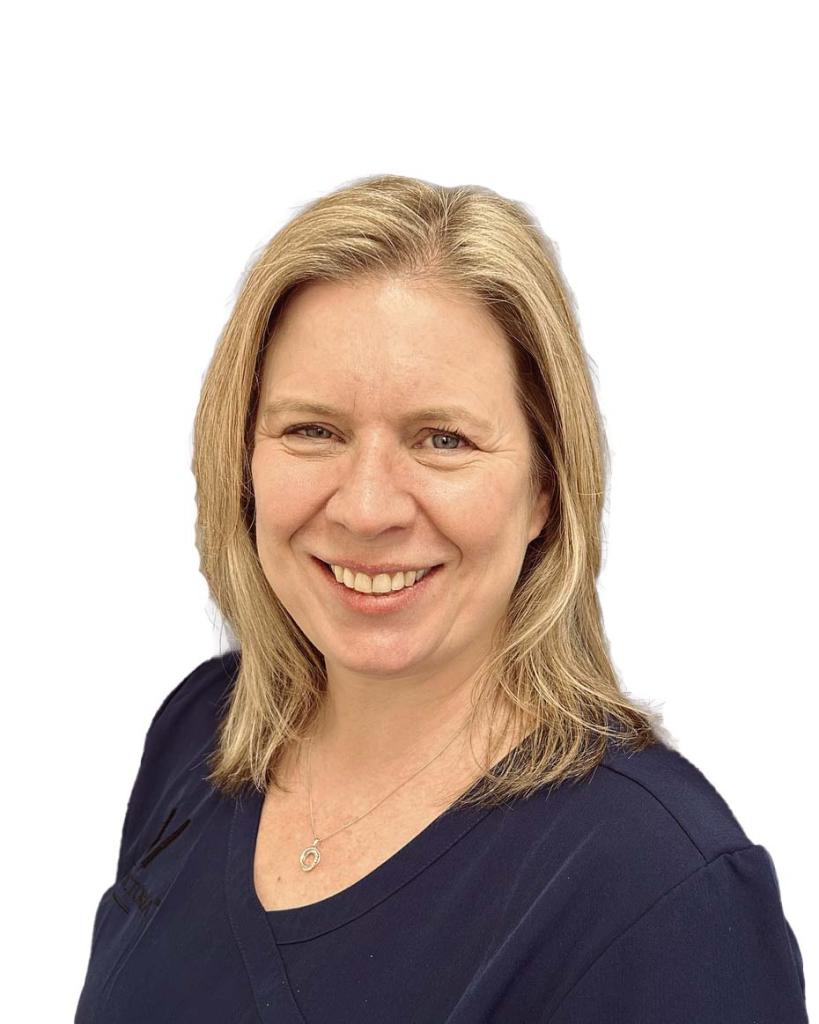
With a BA (Hons) Degree in Nursing, and may years in practice, Susan has a solid foundation in clinical practice. In addition for several years she worked as a BUPA manager before coming the clinic manager for the DRVICTORIA™ Clinic in 2015.
Resources
- Healthcare Improvement Scotland on regulation of independent healthcare services.